
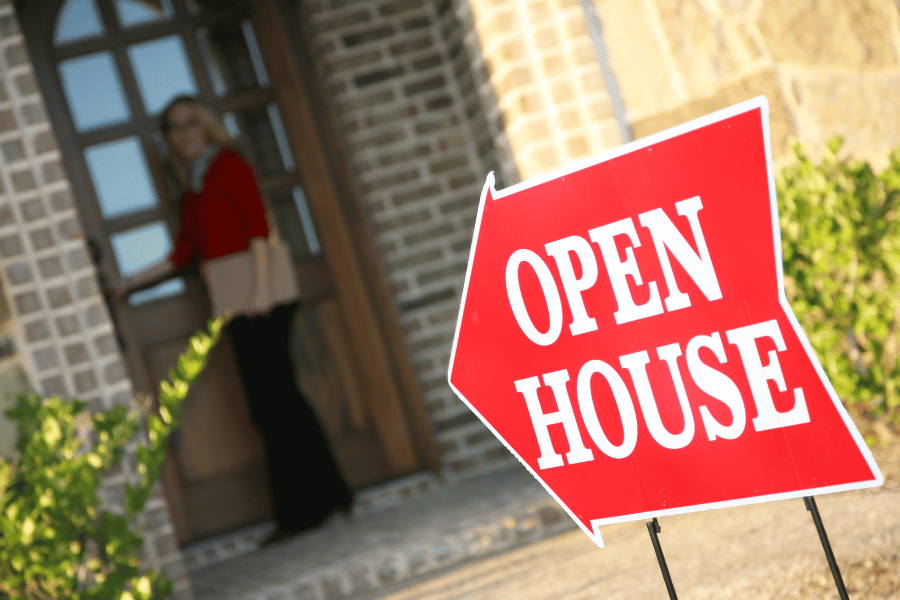
Host Open Houses That Generate Leads
Do you want to host successful open houses that actually generate real estate leads? Here are 10 ways to turn every open house into a lead-generation tool with these proven steps!
Open houses are one of the most powerful lead-generation tools in real estate. Instead of treating open houses as a passing event, agents who view them as a marketing opportunity can generate many qualified buyer leads from a single open house.
The most successful real estate professionals understand that open houses are not just about showcasing a property for sale but about creating a unique experience and initiating relationships that can later convert into closings.
Networking with potential clients and showing how you can help is just as important as the open house itself. Whether you are hosting a Saturday afternoon showing or conducting a virtual tour, it is essential as an agent to prepare, engage, and follow up to be successful.
In this guide, we will discuss how to transform both virtual and in-person open houses from time-consuming obligations into your most reliable source of buyer leads. From pre-event strategies to post-event follow-up systems, you will be hosting successful open houses in no time.
This is how to host open houses that generate leads.
1. Pre-Event Marketing
The best way to ensure your open house is a success is by promoting the event well in advance. Create a multi-channel marketing campaign on social media that includes targeted advertisements focused on homebuyers in the area.
Send out emails to your email list highlighting the property's unique features and post about it in local community groups. Consider pre-qualifying visitors by requiring registration before the event. This is a great way to collect visitor contact information before they arrive.
For in-person events, mention limited capacity to create urgency. For virtual events, offer a downloadable property information packet in exchange for email addresses. Include high-quality photos, key property details, and clear value for attending.
Start your marketing campaign at least two weeks in advance to build momentum and allow time for word-of-mouth referrals to spread. That way, when it is time for the event, people will actually show up and be excited for it.
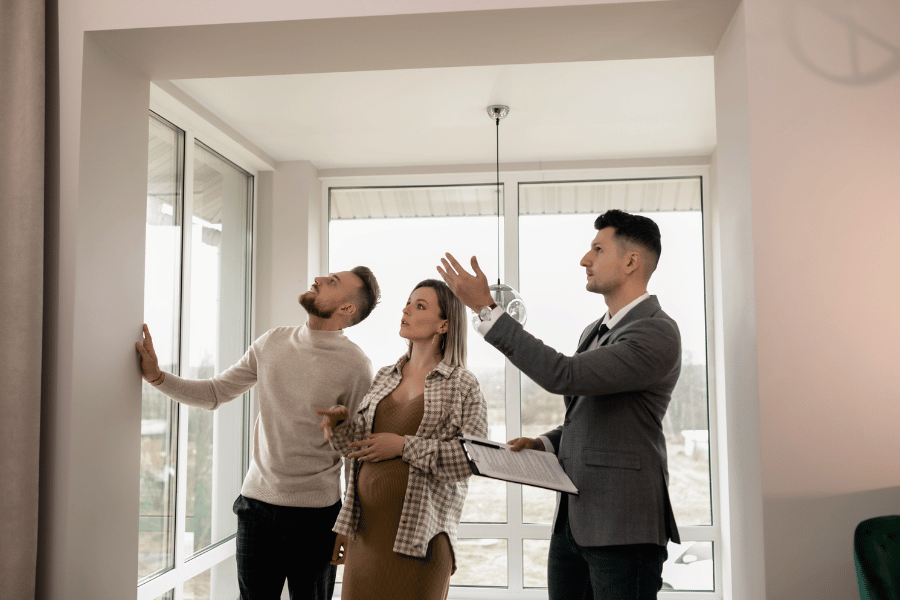 2. Virtual Open House Strategies
In today's digital age, virtual open houses are a popular way to reach more buyers and reduce the number of in-person showings. Since 2020, virtual tours have become a standard marketing tool and continue to be effective, especially for buyers who are relocating.
Live virtual tours create urgency and allow real-time interaction, while pre-recorded video tours can be watched on demand. The most effective virtual open house tour offers around-the-clock streaming with scheduled live Q&A sessions where you can interact directly with prospects.
When choosing your virtual open house platform, use high-quality livestreaming through Facebook, YouTube, or professional software like Matterport. Make sure to optimize for mobile devices. Before filming, ensure the home is spotless, decluttered, and well-lit.
During virtual open houses, engagement drops rapidly without interaction. To capture viewers' attention, use polls to ask visitors which features matter most, add interactive hotspots, and encourage questions through live chat features. Each interaction keeps visitors engaged while providing you with data about buyer preferences.
Consider registration before allowing access to the virtual tour, but make the process seamless across devices. Follow up right away with a confirmation email that includes the access link and a calendar reminder.
3. In-Person Open House Strategies
As a real estate professional, it is time to forget about the sign-in sheet by the door that half of your visitors ignore. Instead, make registration fun and conversational. Set up a simple Google Form and personally ask for their contact information before showing them around.
Ensure engagement by always keeping the conversation flowing with visitors. Ask open-ended questions such as "What are you hoping to find?" in order to understand the buyer's needs and preferences.
Integrate technology throughout the open house by placing QR codes in each room that link to videos, 3D tours, unique home features, school information, and walkability scores to further add value without pressure. Each scan captures the visitor's information again and shows you which features they care about most.
Another great way to elevate the visitors' open house experience is by offering immediate value. Provide free coffee and cookies or a useful newsletter with information about the neighborhood or a comparative market analysis. This will make your open house stand out and give you credibility as an agent.
 4. Engagement Techniques
Visitors should be greeted within 30 seconds to a minute of entering the property, and you should start a conversation with them within the first few minutes. Visitors who are not greeted and engaged with early either leave quickly or avoid meaningful interaction.
Position yourself near the entrance and greet everyone with a warm and professional tone. Ask open-ended questions that reveal valuable information, such as "What is your timeline for making a move?" or "Have you been pre-approved yet?" These questions help you prioritize follow-up without feeling interrogated.
Do not just open the door and let people wander throughout the property. Highlight unique features that typical buyers miss, explain why certain updates add value, and point out important details that show the home's quality. This positions you as the expert who can answer their questions.
Remember that not all open house visitors are the same. Some visitors are already pre-approved and ready to buy, while others are just curious early-stage lookers. Segment these leads and tag them accordingly for appropriate follow-up.
5. Follow Up With Visitors
The first 24 hours are critical for follow-ups after an open house. Send out a text or email within an hour of your open house ending to everyone who attended. Thank them for coming, ask if they have any immediate questions, and deliver any promised information.
This rapid response time distinguishes you from the majority of agents who wait days to follow up. Within one day, mention specific details from your conversation to build rapport and offer immediate value, such as comparable listings or a market report. This is not just about selling, but establishing yourself as a reliable resource.
While it is important to follow up with everyone who attended the open house, focus your personal attention on your hottest leads within the first 24 hours. These pre-approved, actively searching buyers who showed genuine interest deserve a phone call, not just an email.
You may be tempted to use automated emails to handle initial follow-ups with visitors who are not as serious. If you go this route, make sure these automated messages still feel personal and provide real value. Generic "thanks for coming" emails get deleted immediately.
 6. Build an Automated Email Sequence
Open house lead conversion rates vary, but most will not convert immediately. Even if they do not convert right away, it does not mean that they never will. This is why follow-ups are crucial. If you stay top of mind, the more likely leads are to contact you again when they are ready to buy.
With your busy schedule, it might be hard to send personal follow-ups to every possible lead. That is why, if you build an automated email sequence that provides value over 30 days, it will be easier to nurture these leads.
These automated emails should be sent out weekly. Week one should focus on the specific property and neighborhood, week two expands to similar available properties, week three provides homebuying education, and week four invites them to your next open house or a buyer consultation.
Do not rely solely on email. Mix in text messages for time-sensitive opportunities, phone calls for high-priority leads, and even direct mail for special announcements. Using multiple communication methods increases the likelihood that your message gets through.
You can even track engagement to identify the most promising leads. If someone is opening your messages, clicking on property links, or downloading content, even if they are not directly responding, this is your cue to reach out with a personal phone call.
7. Convert
Some leads take months or even years to convert, but if you stay consistent and build trust, your effort will pay off. Send tailored property reports, local market statistics, homeowner tips, and personalized video messages to stay memorable. SEO techniques and keyword research can help with this.
It is suggested that it can take up to eight touchpoints to make a sale, though the actual number varies by the prospect's buying stage.
Buying Stage | Touchpoint Amount |
Inactive Customers | 1 to 3 touches |
Warm Inbound Lead | 5 to 12 touches |
Cold Prospect | 20 to 50 touches |
Even visitors who are not buying can generate leads. Do not be afraid to ask for referrals. Create exclusive opportunities for engaged leads, such as private showings or previews of new listings, before they hit the market. These VIP experiences make leads feel special and demonstrate your commitment to finding them the perfect home.
8. Important Technology and Tools
The most successful agents leverage technology to systemize lead generation and follow-ups. Utilizing technology during and after your open house will help you work smarter, not harder.
Customer relationship management systems designed for real estate automatically categorize leads, trigger follow-up sequences, and remind you to reach out. Digital sign-in apps and QR codes also replace paper sheets and instantly sync to your database systems.
Your lead capture and follow-up systems must work flawlessly on mobile devices since you will be managing them on the go. Test every form, every automated message, and every tracking system on your smartphone before relying on it during an actual open house.
 9. Measure Success and Optimize Performance
Success can be defined in many ways as an agent, but during an open house, it is important not to just pay attention to the number of attendees. Measure how many people registered, how many people actually attended, how many engaged in conversation, how many responded to follow-up, and how many converted to buyer clients.
This analysis reveals exactly where your system needs improvement so that you can get better results at your next open house. Focus your metrics on lead quality and not just traffic volume. Refine your pre-event marketing to attract better-qualified attendees.
Track how long it takes for open house leads to become clients. Some will convert in days, others in months. Understanding this timeline helps you maintain appropriate follow-ups and avoid giving up on leads prematurely. Do not be afraid to ask for visitor feedback either.
10. Common Mistakes and How to Avoid Them
Even the most experienced agents can make mistakes. The key is learning how to prevent them when conducting an open house. Common mistakes include poor marketing, inadequate staging, being too passive or overbearing, failing to capture leads, and not knowing the property or neighborhood well enough.
Hosting open houses without pre-event marketing means relying entirely on drive-by traffic, which limits your potential to generate leads. It is also essential to have a plan and a clear system to capture and organize leads. The most costly mistake is hosting open houses without a plan for what happens after.
During the open house, do not spend too much time with one visitor while ignoring others. Prepare answers to common questions to make yourself appear professional. Qualify leads during the open house to avoid wasting follow-up time on people who are not actually interested in buying.
 Methodology
Data was sourced from the National Association of Realtors and Email Tool Tester to determine how to host virtual and in-person open houses that actually generate buyer leads.
FAQs
How to host a virtual open house?
To host a successful open house, choose a reliable platform, clean the home and use good lighting, promote the event on social media and through email, plan your route through the home and what you will say, engage with viewers, and follow up with potential buyers.
Do open houses generate leads?
Open houses can be a great place to generate leads, but only when executed strategically. Successful agents use open houses to meet face-to-face with prospects and build their network.
Are virtual open houses worth it?
Yes, virtual open houses are worth it, especially for buyers relocating out of state. Virtual tours can generate interest in a property and help buyers decide if it is worth visiting in person.
How to Host Virtual and In-Person Open Houses That Generate Buyer Leads - Final Thoughts
Open houses can be a great lead generation tool for real estate professionals when conducted strategically. Your next open house is not just about selling one property, but building strong buyer relationships.
Start implementing these 10 strategies at your next open house and track your results. The properties you show will come and go, but the systems you create and the relationships you build with prospects will drive your success year after year.
Whether you are hosting virtual tours or in-person showings, AgentLoft gives you the tools to capture more leads and convert visitors into clients. AgentLoft is the future tech for real estate agents.