
Luxury Market Trends Defining Real Estate in 2026
What do today's luxury buyers really want? Explore how privacy concerns, wellness features, and multigenerational living are redefining the luxury market in 2026.
For real estate agents working in the luxury sector, 2026 presents amazing opportunities alongside unique challenges. The luxury real estate market is defined by properties in the top 10% of their local market and typically features prime locations, high-end amenities, and superior craftsmanship.
Compared to the rest of the market, the luxury home sector is less affected by economic changes, thanks to a higher share of cash buyers and less dependence on the job market. As of early 2026, the hottest luxury real estate markets are in South Florida, California, and other high-demand areas, particularly in the Southeast and West.
For real estate agents working with high-net-worth clients, 2026 is a great year. The market has entered a period of sustained confidence, with luxury home sales continuing to outperform broader real estate trends.
Today's affluent buyers are not just buying properties, but investing in homes that reflect their values around authentic living, sustainability, and multigenerational gathering spaces. The minimum investment to enter the ultra-luxury market in the U.S. generally starts at just under $5.5 million, while high-end luxury begins at $2 million.
Whether you are an established luxury agent qualifying leads or aspiring to serve high-net-worth clients, understanding these 10 trends is essential for success in 2026. These insights will help you navigate the luxury real estate market.
Check out these luxury real estate market trends
1. Inherited Wealth
The demand for luxury real estate is increasing, and the market is being reshaped by the largest generational wealth transfer in history. An estimated $6 trillion in global wealth was transferred intergenerationally in 2025 from the silent generation and baby boomers to their heirs.
This large wealth transfer is creating a new wave of buyers who have the money to buy luxury properties and are moving quickly and paying in cash. Thanks to this inheritance boom, luxury buyers are younger and view properties as strategic assets within diversified portfolios rather than just a nice place to live.
According to the Wall Street Journal, about 1.2 million individuals with net worths of $5 million or more will pass down more than $38 trillion globally. It is estimated that $124 trillion will transfer through 2048, further leading to increased luxury property purchases.
Due to this, luxury buyers and real estate investors are looking for agents who have the knowledge and experience in the market to help them on their real estate journey. For agents, this means understanding how inherited wealth affects buying timelines and decision-making processes, networking with financial advisors and attorneys, and recognizing that younger buyers often prioritize different amenities than previous generations.
.png) 2. Multigenerational Living
2. Multigenerational Living
Luxury home buyers increasingly want multigenerational living and are looking for properties that have the space to fit everyone under one roof. As one of the dominant trends in the luxury real estate market, luxury buyers are prioritizing in-law suites, accessory dwelling units, and flexible high-end designs.
Multigenerational living not only keeps families together but also offers many practical benefits, including built-in childcare support, strengthens family bonds, creates emotional support, and allows older parents to age in place.
To accommodate evolving family needs, many Millennials and Gen X buyers are prioritizing homes that accommodate both young children and aging parents. These homes tend to feature multiple primary bedroom suites with private bathrooms, small office spaces, and sitting rooms.
Demand for larger properties with privacy and room for expansion has increased, as well as a desire for detached homes and villas. High-end luxury properties are now being built with separate private entrances, dual kitchens, flexible spaces, elevator access, and soundproofing between living areas to ensure privacy.
As dream homes shift from just size to functionality and multigenerational connection, agents are now helping luxury buyers accommodate multiple generations by connecting buyers with architects, understanding local zoning regulations, and pointing out privacy features and flexible room configurations during open houses.
3. Privacy and Security
Privacy and security are not just important, but fundamental requirements in the luxury real estate market. With privacy now considered the "new luxury" that is driving market trends, both privacy and luxury tend to be top priorities for wealthy buyers.
Even as crime has declined in many markets, this focus on privacy represents a fundamental shift in how luxury properties are designed, marketed, and valued. This increasing need for privacy has led to luxury home sellers avoiding listing their properties on public real estate platforms.
When it comes to security, smart security systems are highly popular and becoming a standard, expected feature in luxury real estate. Wealthy buyers prioritize high-definition cameras with AI analytics, biometric access, and integrated home automation systems controlled by smartphones.
The privacy trend has created demand for properties in gated communities and waterfront estates. Luxury buyers prioritize secluded settings with natural barriers, controlled entry points, and locations that offer distance from public roads and high-traffic areas.
4. Lifestyle and Wellness Focused
Wellness features are highly prioritized in modern luxury homes and often featured all over social media. Today's high-end buyers are looking for spaces that offer peace and sanctuary from the hustle and bustle of everyday life.
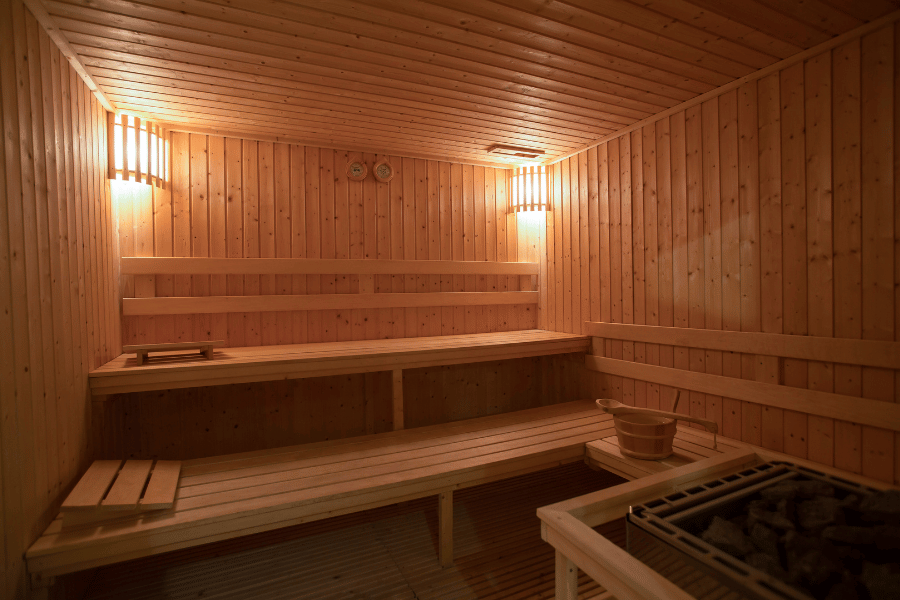
Many luxury homes on the market offer dedicated, high-tech, and nature-integrated amenities that turn the home not just into a great place to live but a sanctuary. Popular key features include infrared saunas, cold plunges, steam showers, home gyms, meditation and yoga rooms, heated floors, and advanced water and air filtration systems.
Mental wellness is also just as important as physical health. Properties are now featuring quiet retreat spaces that are designed for reading, relaxing, and reflection. Natural light in these spaces is maximized through floor-to-ceiling windows and skylights.
 5. Space and Size Matter
Counter to predictions of downsizing, space and size are critical elements in luxury homes. Buyers are desiring more space for work, wellness, and multigenerational family gatherings. High-net-worth buyers are searching for properties that offer breathing room and flexibility.
While large square footage and acreage are desirable, most buyers are most interested in how that space is utilized, with an emphasis on open, functional areas. Most luxury homes start around 3,000 to 5,000 square feet, but once it exceeds 8,000 square feet, the home is then considered a mansion.
This shift towards larger properties can be due to remote and hybrid work arrangements, which create a need for dedicated office spaces. Multigenerational living requires separate living areas with lots of privacy. Wellness priorities require home gyms, yoga studios, and spa facilities. Lifestyle flexibility means wanting homes that can evolve as family needs change over time.
It is important to note that location matters for this trend. While luxury buyers want more space, they are not willing to sacrifice prime locations. This means that properties that offer large square footage and desirable addresses demand premium prices.
6. High-Tech Amenities
Smart homes are highly desirable and increasingly considered a standard addition in modern luxury homes. The expectation is not just that the homes have technology, but that it is seamlessly integrated and supportive in daily life.
Smart home technology and high-tech amenities provide essential convenience, enhanced security, and energy efficiency. While the convenience of this technology is desired, luxury homebuyers do not want to know it is even there, which is why hidden speakers and in-wall panels are essential.
Some of the most popular high-tech amenities found in today's luxury homes include advanced lighting features with automated controls, humidity control and air quality monitoring, AI-powered surveillance and alarm systems, intercom systems, and smart appliances in kitchens.
What separates luxury smart homes from basic automation is the quality of integration. The best luxury smart homes feature unified control systems, professional programming, invisible wiring, sensors and hardware, and future-proof infrastructure.
.png) 7. Flexible and Evolving Spaces
7. Flexible and Evolving Spaces
One of the defining characteristics of luxury homes in 2026 is their ability to adapt to changing needs over time. Luxury homes are shifting from single-use rooms toward flexible, evolving spaces that adapt to changing lifestyles.
As family needs change over time, the desire for evolving spaces is essential. Instead of tearing down walls, designers are creating flexible architectural features, including moveable walls and partitions that can reconfigure spaces, pocket doors that open areas or create privacy, and modular built-ins that can be repurposed.
Common flexible space configurations in luxury homes include home offices that convert to guest rooms with hidden beds and storage, dining rooms that open to covered patios for indoor-outdoor entertaining, bonus rooms that serve as playrooms, and basements finished as flex space.
As an agent, it is essential to help buyers envision how spaces can serve different purposes over time. Buyers should understand how a flexible design provides better long-term value and reduces future renovation costs. Consider this topic as a newsletter content idea.
8. Turnkey Properties
A turnkey property is a fully renovated or newly built home that requires no immediate repairs, maintenance, or upgrades, allowing it to be immediately occupied by a homeowner or rented out by an investor. Turnkey properties are in high demand, especially in the luxury market.
Quality matters more than ever, with luxury buyers paying significant premiums for properties that have been constructed or renovated to very high standards. This trend for turnkey properties reflects how wealthy buyers are desiring move-in ready homes without the stress and inconvenience of construction and renovation.
While move-in-ready and new construction homes are the most sought-after properties, they have not kept up with the demand. While many luxury buyers will not consider buying any property that is not turnkey, about 58.3% of luxury property specialists are noticing a shift towards homes with good bones in desirable locations.
 9. Personalization Over Perfection
Personalization often outweighs perfection in modern luxury. Instead of prioritizing staged homes that look like showrooms, today's luxury buyers are gravitating toward warmth, authenticity, and design that represent timeless beauty.
According to Forbes, personalization is what transforms authenticity into a lived experience. Today, about 80% of luxury buyers expect tailored experiences rather than grand, cookie-cutter design. This shift from cold and impersonal to warmer and more inviting spaces shows what people desire most in their homes.
This means that luxury buyers are searching for homes designed around how people truly live. Flexible spaces, bespoke interior design, functional layouts, comfortable seating, and warm color schemes are preferred.
10. Eco-Conscious Building
Sustainability is now an essential standard in luxury home construction. Most luxury home buyers look for homes that reflect their values without compromising on comfort or exclusivity. Not only is sustainability beneficial to the environment, but incorporating sustainable features further increases a home's value and appeal.
Many high-end homes are incorporating more sustainably sourced materials, such as reclaimed wood and recycled metal finishes, as well as solar panels, smart HVAC systems, Energy Star appliances, and eco-friendly landscaping.
Successful agents should understand sustainability in the luxury market and utilize it during keyword research. Be knowledgeable about the benefits of eco-conscious building beyond environmental impact, including health, cost savings, and value.
Methodology
Data was sourced from the National Association of Realtors, Forbes, Yahoo Finance, and Rocket Mortgage to determine the luxury market trends every real estate agent should know.
FAQs
Are luxury home prices dropping?
No, the median price of a luxury home in the U.S. has increased by 4.6% to $1.31 million despite slower demand.
What features do luxury houses have?
Common features that can be found in luxury homes are hardwood or stone flooring, premium materials, custom cabinetry, high-end appliances, elite bathrooms, and advanced smart technology and security.
What makes a home luxurious?
A home is considered luxurious based on the quality of materials used during its construction. Marble countertops, hardwood floors, and natural stone make all the difference.
 Luxury Market Trends Every Real Estate Agent Should Know - Final Thoughts
Affluent buyers know exactly what they want in a home, and these 10 market trends are essential for real estate agents working in the luxury sector to know. Out of all of these trends in 2026, quality remains the ultimate differentiator.
AgentLoft is an all-in-one platform designed to help real estate agents grow their business and attract quality leads. By understanding the luxury market, you have the unique opportunity as an agent to deliver exceptional service to clients during one of the most dynamic periods in luxury real estate.